THE EXPERTS EDIT (WIP)
Headline (WIP)
We sat down with a functional medicine cardiologist for a candid Q&A about what your cholesterol numbers really mean, why pills aren't always the answer, and his favorite gentle alternatives.
BY JANICE LEVY • JULY 2, 2026

Dr. Sanjay Bhojraj, MD
Cardiologist and Functional Medicine Practitioner
THE EXPERTS EDIT (WIP)
Headline
We sat down with a functional medicine cardiologist for a candid Q&A about what your cholesterol numbers really mean, why pills aren't always the answer, and his favorite gentle alternatives.
BY JANICE LEVY • JULY 2, 2026

Dr. Sanjay Bhojraj, MD
Cardiologist and Functional Medicine Practitioner
EDITOR’S NOTE (WIP)
Most people do not think much about their cholesterol until routine bloodwork comes back with a number outside the normal range. (WIP)
Then the next steps can feel surprisingly vague: eat better, exercise more, and possibly start taking pills you’re not comfortable with.
Dr. Sanjay Bhojraj, a cardiologist trained in both conventional and functional medicine, believes that conversation should be much more specific. We spoke with him about what happens after a cholesterol flag, how he evaluates someone’s full cardiovascular health holistically, and his favorite gentle alternative for effective cholesterol support. (WIP)
EDITOR’S NOTE (WIP)
Wellness advice can become noisy fast. So this conversation starts somewhere simpler: what the liver does, what this daily shot is designed to support, and what using it actually looks like.
The answers below draw directly from Dose’s product guidance. They are meant to help you understand the routine—not replace medical advice.
Q: Can you walk us through the journey someone goes through when their cholesterol numbers get flagged by their doctor?
A: It often comes as a complete surprise. Someone goes in for routine bloodwork in their 30s or 40s, has their cholesterol flagged by their doctor, and is suddenly having a conversation they were not expecting.
Their doctor may give them general advice to eat better and exercise more, and possibly discuss pills. The problem is that many people leave without a clear understanding of what their numbers mean or what they can realistically do next.
Q: Does a flagged result automatically mean someone needs to start taking pills?
A: Not necessarily. Pills can be important for people whose backs are against the wall, but the right approach depends on the individual.
For someone looking for a more gentle approach, there may be room to spend three to six months working on diet, movement and other lifestyle factors before deciding what comes next. That should always be a conversation with their doctor, not a one-size-fits-all decision.
Q: Why do so many people feel unsatisfied when they are told to “eat better and exercise more”?
A: Because that advice is too vague to act on. People need to know what changes to make, how often to make them and which habits will have the most meaningful impact.
That could mean eating more whole and plant-based foods, walking regularly, improving sleep, managing stress or changing body composition. The details matter. Simply telling someone to “be healthier” does not give them a plan.
Q: When it comes to cholesterol support, a lot of options out there focus almost entirely on LDL. Is that addressing the full picture of cholesterol health?
A: You cannot always understand someone’s overall cardiovascular health by looking at a single number. LDL matters, but it is only one part of the picture. There’s also HDL and triglycerides, and each marker tells us something different about a person’s cholesterol health.
LDL carries cholesterol out to tissues throughout the body. HDL helps transport cholesterol back toward the liver, where it can be processed and recycled. Triglycerides are a type of fat in the blood and can tell us a lot about metabolic health and how the body is handling energy.
Q: You were originally trained in conventional medicine. What made you broaden your approach?
A: Medical school gives physicians extensive training in diagnosing conditions and prescribing medications, but very little education around nutrition and lifestyle. I had to seek out additional training in integrative and functional medicine to fill that gap.
It changed the way I practice because I began looking more closely at the daily habits that may have contributed to the imbalance in the first place.
Q: You have said that you are skeptical of most supplements. Why?
A: A lot of the supplement industry is driven more by marketing than strong clinical evidence. A product may advertise an ingredient as “clinically studied,” even though the finished formula was never tested.
Sometimes the ingredient is also included at a much smaller amount than the amount used in the research. Seeing a familiar ingredient on the label does not automatically mean the formula will produce the same result.
Q: What do you look for before trusting a supplement, especially when it comes to cholesterol health?
A: I want to know whether the full formula has been studied, whether the ingredients are included in meaningful amounts and whether they were tested together.
Combining several individually studied ingredients is not enough. You need evidence that the actual product people are taking can positively impact the intended health markers.
Q: What made Dose for Cholesterol® stand out to you?
A: The complete Dose for Cholesterol formula was studied, rather than relying only on research conducted on its individual ingredients. The study showed a positive impact on key cholesterol markers, which gave me more confidence in the formulation.
It also stood out to me that the ingredients were selected to work together and that the formula is grounded in natural plant compounds used in Ayurvedic tradition. It brings together traditional plant knowledge and modern clinical testing.
Q: Can you walk us through the journey someone goes through when their cholesterol numbers get flagged by their doctor?
A: It often comes as a complete surprise. Someone goes in for routine bloodwork in their 30s or 40s, has their cholesterol flagged by their doctor, and is suddenly having a conversation they were not expecting.
Their doctor may give them general advice to eat better and exercise more, and possibly discuss pills. The problem is that many people leave without a clear understanding of what their numbers mean or what they can realistically do next.
Q: Does a flagged result automatically mean someone needs to start taking pills?
A: Not necessarily. Pills can be important for people whose backs are against the wall, but the right approach depends on the individual.
For someone looking for a more gentle approach, there may be room to spend three to six months working on diet, movement and other lifestyle factors before deciding what comes next. That should always be a conversation with their doctor, not a one-size-fits-all decision.
Q: Why do so many people feel unsatisfied when they are told to “eat better and exercise more”?
A: Because that advice is too vague to act on. People need to know what changes to make, how often to make them and which habits will have the most meaningful impact.
That could mean eating more whole and plant-based foods, walking regularly, improving sleep, managing stress or changing body composition. The details matter. Simply telling someone to “be healthier” does not give them a plan.
Q: When it comes to cholesterol support, a lot of options out there focus almost entirely on LDL. Is that addressing the full picture of cholesterol health?
A: You cannot always understand someone’s overall cardiovascular health by looking at a single number. LDL matters, but it is only one part of the picture. There’s also HDL and triglycerides, and each marker tells us something different about a person’s cholesterol health.
LDL carries cholesterol out to tissues throughout the body. HDL helps transport cholesterol back toward the liver, where it can be processed and recycled. Triglycerides are a type of fat in the blood and can tell us a lot about metabolic health and how the body is handling energy.
Q: You were originally trained in conventional medicine. What made you broaden your approach?
A: Medical school gives physicians extensive training in diagnosing conditions and prescribing medications, but very little education around nutrition and lifestyle. I had to seek out additional training in integrative and functional medicine to fill that gap.
It changed the way I practice because I began looking more closely at the daily habits that may have contributed to the imbalance in the first place.
Q: You have said that you are skeptical of most supplements. Why?
A: A lot of the supplement industry is driven more by marketing than strong clinical evidence. A product may advertise an ingredient as “clinically studied,” even though the finished formula was never tested.
Sometimes the ingredient is also included at a much smaller amount than the amount used in the research. Seeing a familiar ingredient on the label does not automatically mean the formula will produce the same result.
Q: What do you look for before trusting a supplement, especially when it comes to cholesterol health?
A: I want to know whether the full formula has been studied, whether the ingredients are included in meaningful amounts and whether they were tested together.
Combining several individually studied ingredients is not enough. You need evidence that the actual product people are taking can positively impact the intended health markers.
Q: What made Dose for Cholesterol® stand out to you?
A: The complete Dose for Cholesterol formula was studied, rather than relying only on research conducted on its individual ingredients. The study showed a positive impact on key cholesterol markers, which gave me more confidence in the formulation.
It also stood out to me that the ingredients were selected to work together and that the formula is grounded in natural plant compounds used in Ayurvedic tradition. It brings together traditional plant knowledge and modern clinical testing.
“The most useful routine is often the one simple enough to repeat.”
DR. SANJAY BHOJRAJ
“The most useful routine is often the one simple enough to repeat.”
THE DAILY DOSE
What to expect on your cholesterol health journey

Months 1–3
BUILDING THE FOUNDATION
Active ingredients accumulate with daily consistency, laying the groundwork to support healthy lipid panel markers.*

Months 4–6
MEASURABLE SHIFTS
Some see results now, others later. Schedule a check-in with your healthcare provider to track your numbers.*

Months 7–9
STAY THE COURSE
Daily use reinforces healthy lipid levels and cardiometabolic support with consistent use.*

Months 10-12
SUSTAINING THE SUPPORT
Continued daily use maintains healthy lipid levels and key markers. Pair with diet, exercise, and sleep for amplified results.*
What to expect on your cholesterol health journey

Months 1–3
BUILDING THE FOUNDATION
Active ingredients accumulate with daily consistency, laying the groundwork to support healthy lipid panel markers.*

Months 4–6
MEASURABLE SHIFTS
Some see results now, others later. Schedule a check-in with your healthcare provider to track your numbers.*

Months 7–9
STAY THE COURSE
Daily use reinforces healthy lipid levels and cardiometabolic support with consistent use.*

Months 12+
SUSTAINING THE SUPPORT
Continued daily use maintains healthy lipid levels and key markers. Pair with diet, exercise, and sleep for amplified results.*

PRODUCT
RESULTS
INSIDE
PROMISE
HOW TO
FACTS
576 Reviews
Dose for your Liver
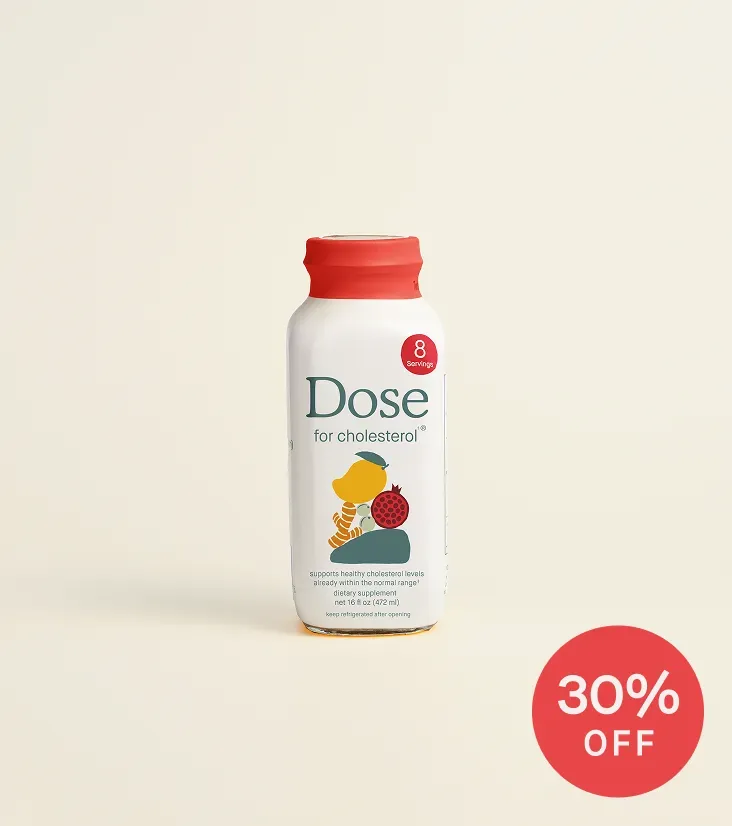
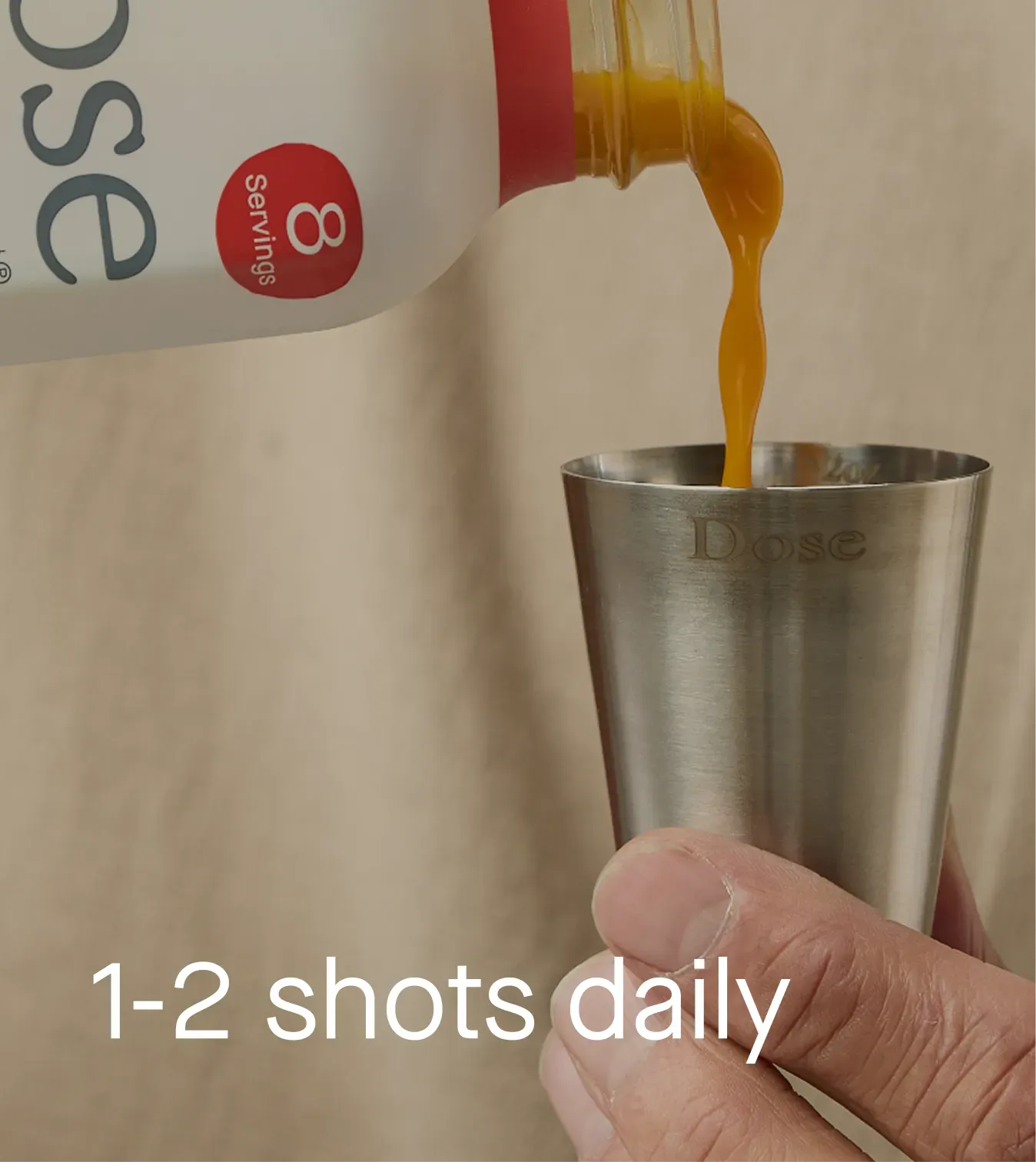
A clinically backed formula that supports LDL, HDL, and Triglycerides. Taken in a plant-centered, 2oz shot that tastes like mango.
16oz
2oz
Size
3 Pack
(for 1x daily)
BEST VALUE
6 Pack
(for 2x daily)
YOU SAVE $48.00/FIRST ORDER - $312.00/YEAR
Subscribe & Save 30% OFF
$160.00 $112.00
$2.33 / shot
Free Shipping | Cancel Anytime
FREE
$1251-on-1 Nutritionist ConsultationsFREE
$20Liver-Smart Recipe EbookFREE
$5Shot Glass15% OFF every recurring order
You're getting $150+ in value with your subscription
One-time purchase
$160.00
$3.33 / shot
Free Shipping | 30-Day Guarantee | Cancel Anytime
PRODUCT
RESULTS
INSIDE
PROMISE
HOW TO
FACTS
576 Reviews
Dose for your Liver
A clinically backed formula that supports LDL, HDL, and Triglycerides. Taken in a plant-centered, 2oz shot that tastes like mango.
16oz
2oz
Size
3 Pack
(for 1x daily)
BEST VALUE
6 Pack
(for 2x daily)
YOU SAVE $48.00/FIRST ORDER - $312.00/YEAR
Subscribe & Save 30% OFF
$160.00 $112.00
$2.33 / shot
Free Shipping | Cancel Anytime
FREE
$1251-on-1 Nutritionist ConsultationsFREE
$20Liver-Smart Recipe EbookFREE
$5Shot Glass15% OFF every recurring order
You're getting $150+ in value with your subscription
One-time purchase
$160.00
$3.33 / shot
Free Shipping | 30-Day Guarantee | Cancel Anytime
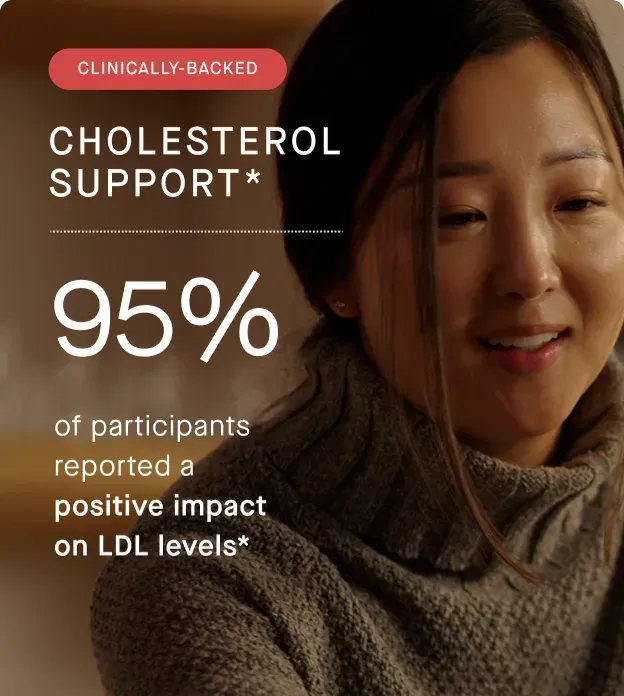
Dose for Cholesterol is clinically-backed to support multiple marker impact
as seen by a 3 month, double-blind, placebo controlled human clinical trial.
95%
of participants reported a positive impact on LDL levels*†
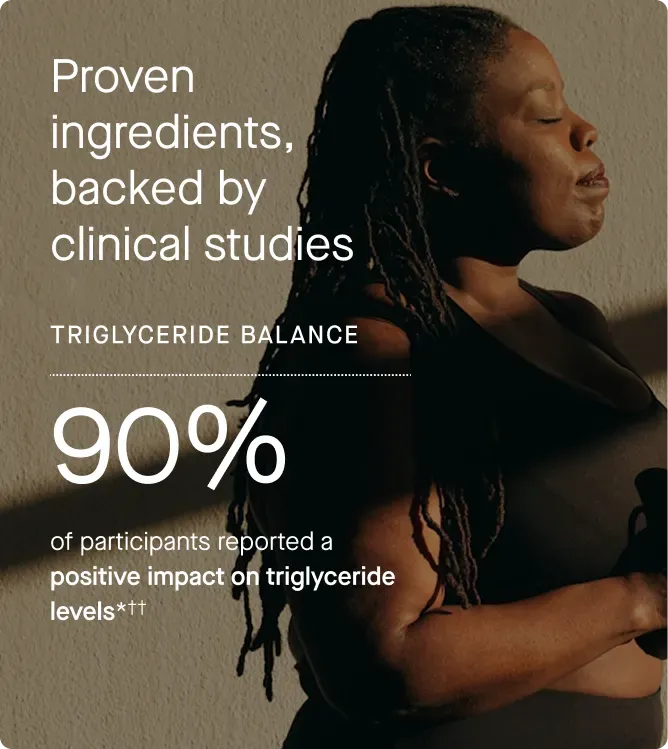
90%
of participants reported a positive impact on Triglyceride levels*†
81%
of participants reported a positive impact on total cholesterol levels*†
90%
of participants reported a positive impact on VLDL levels*†
Dose for Cholesterol is clinically-backed to support multiple marker impact
As seen by a 3 month, double-blind, placebo controlled human clinical trial.
95%
of participants reported a positive impact on LDL levels*†
90%
of participants reported a positive impact on Triglyceride levels*†
81%
of participants reported a positive impact on total cholesterol levels*†
90%
of participants reported a positive impact on VLDL levels*†
Nine
Powerhouse Ingredients
MULTI-INGREDIENT FORMULA
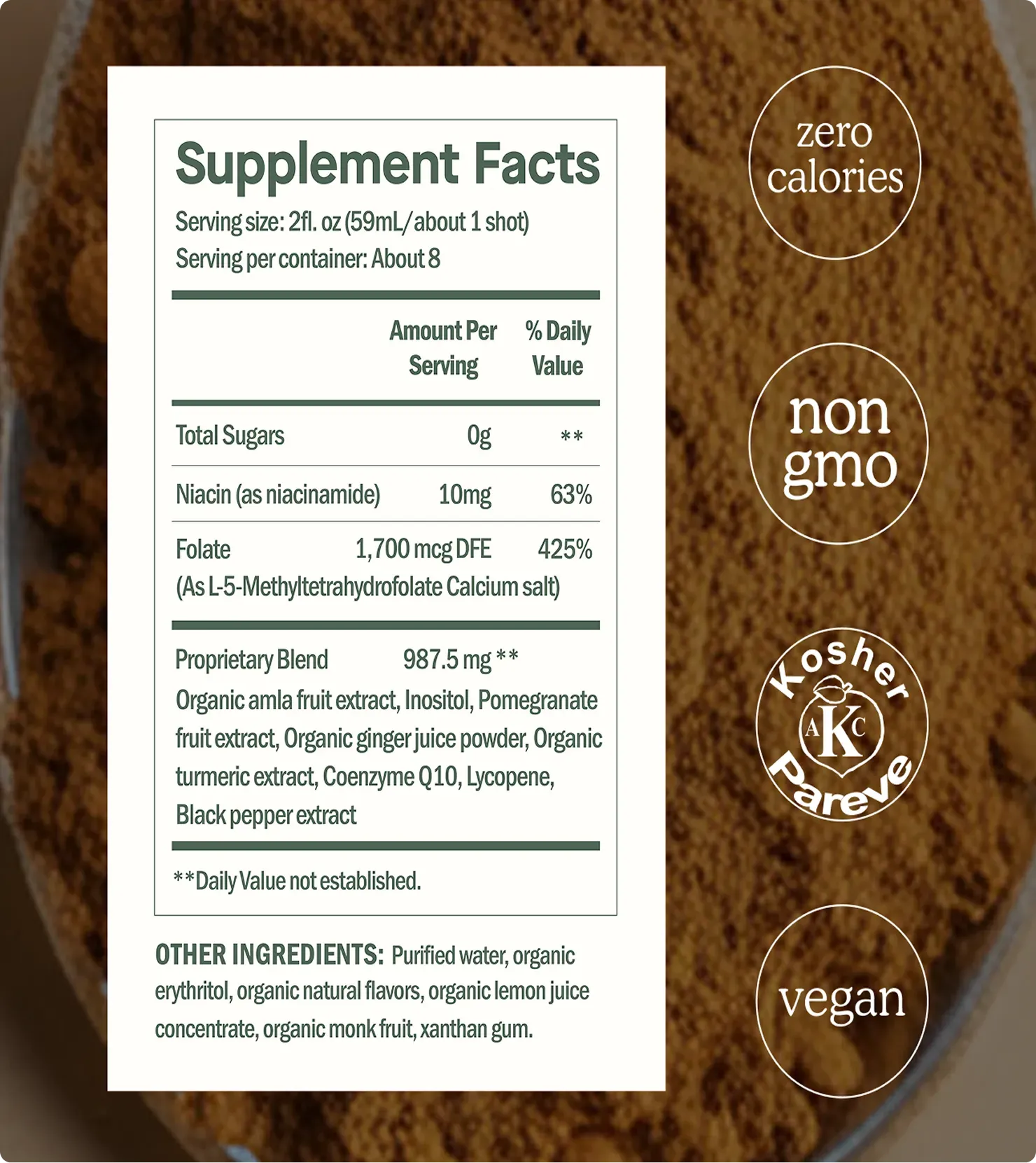
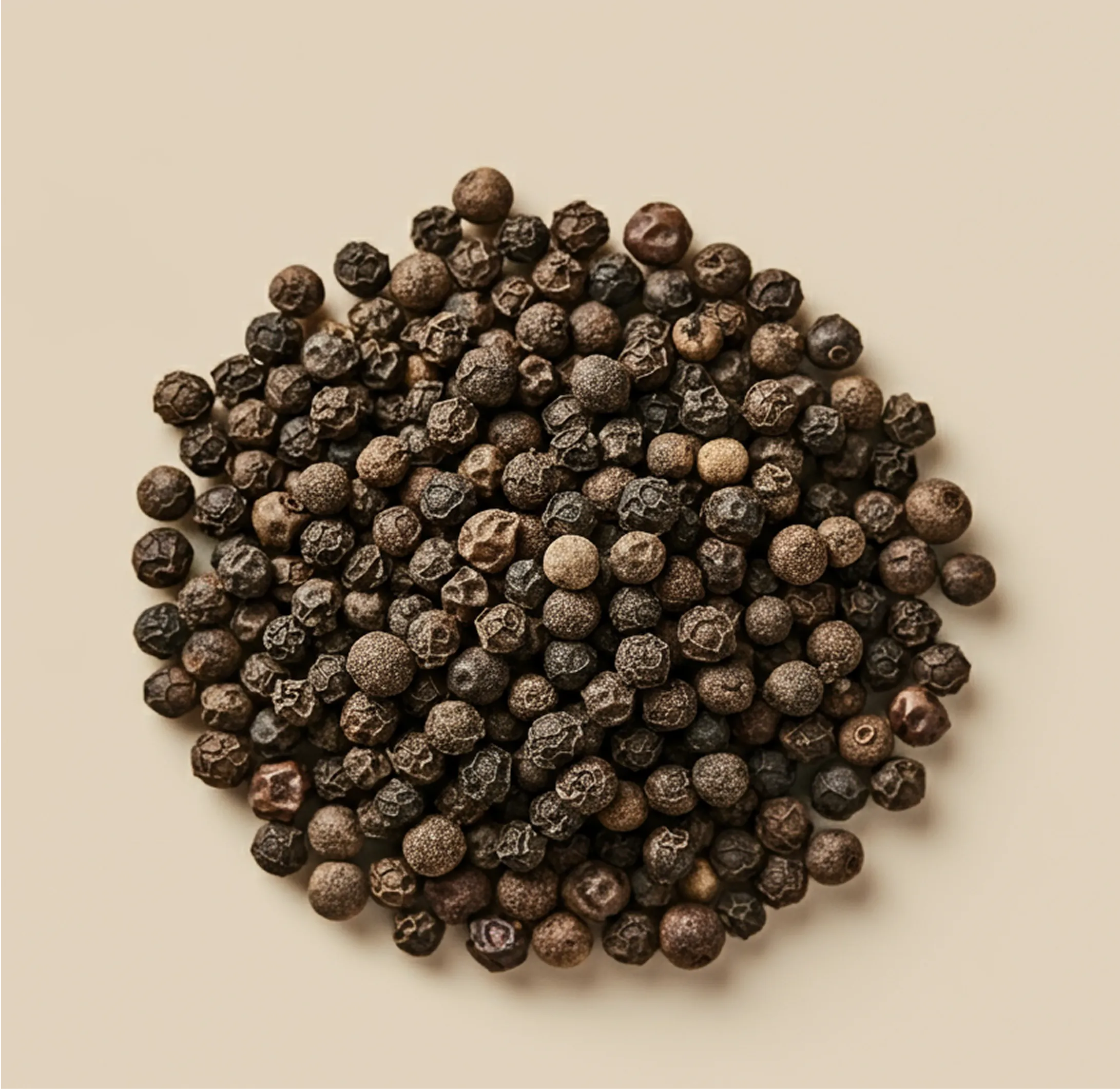
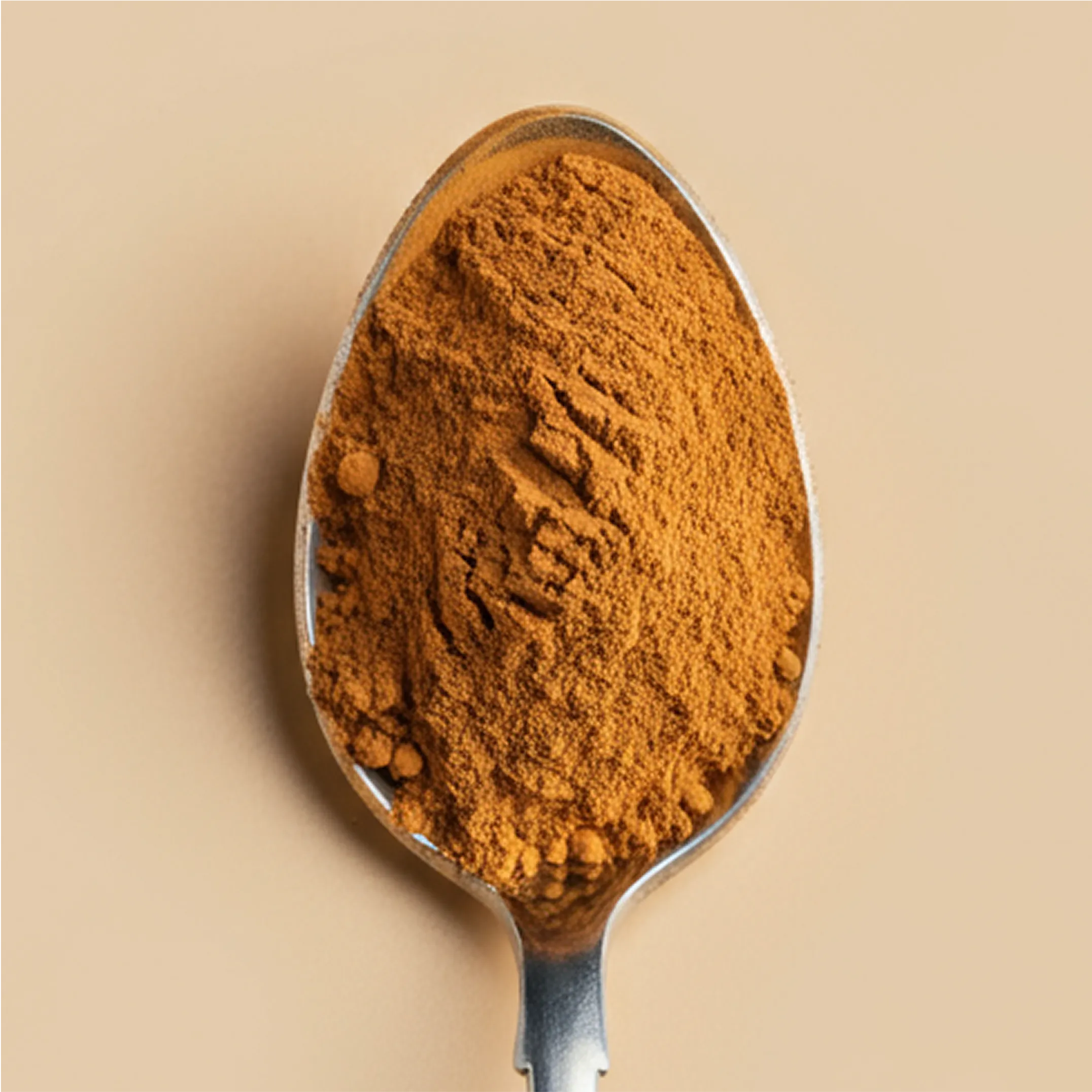
Formulated with 9 highly bioavailable ingredients and extracts, this formula is designed to support healthy cholesterol levels across all key markers.

Pomegranate

Ginger Rhizome

Amla

Niacinamide

Folic Acid
Black Pepper

Lycopene
Curcumin (Turmeric Extract)
CoQ10
Nine
Powerhouse
Ingredients
MULTI-INGREDIENT FORMULA
Formulated with 9 highly bioavailable ingredients and extracts, this formula is designed to support healthy cholesterol levels across all key markers.
Pomegranate
Ginger Rhizome
Amla
Niacinamide
Folic Acid
Black Pepper
Lycopene
Curcumin (Turmeric Extract)
CoQ10
*This statement has not been evaluated by the Food and Drug Administration. This product is not intended to diagnose, treat, cure, or prevent any disease. Dose for your Liver® provides 300mg of curcuminoids and standard turmeric provides 17.6mg of curcuminoids. †Based on a 3-month, randomized, double-blind, placebo-controlled clinical study, when taken daily.
© 2026 Dose
All Rights Reserved

*This statement has not been evaluated by the Food and Drug Administration. This product is not intended to diagnose, treat, cure, or prevent any disease. Dose for your Liver® provides 300mg of curcuminoids and standard turmeric provides 17.6mg of curcuminoids. †Based on a 3-month, randomized, double-blind, placebo-controlled clinical study, when taken daily.
© 2026 Dose
All Rights Reserved